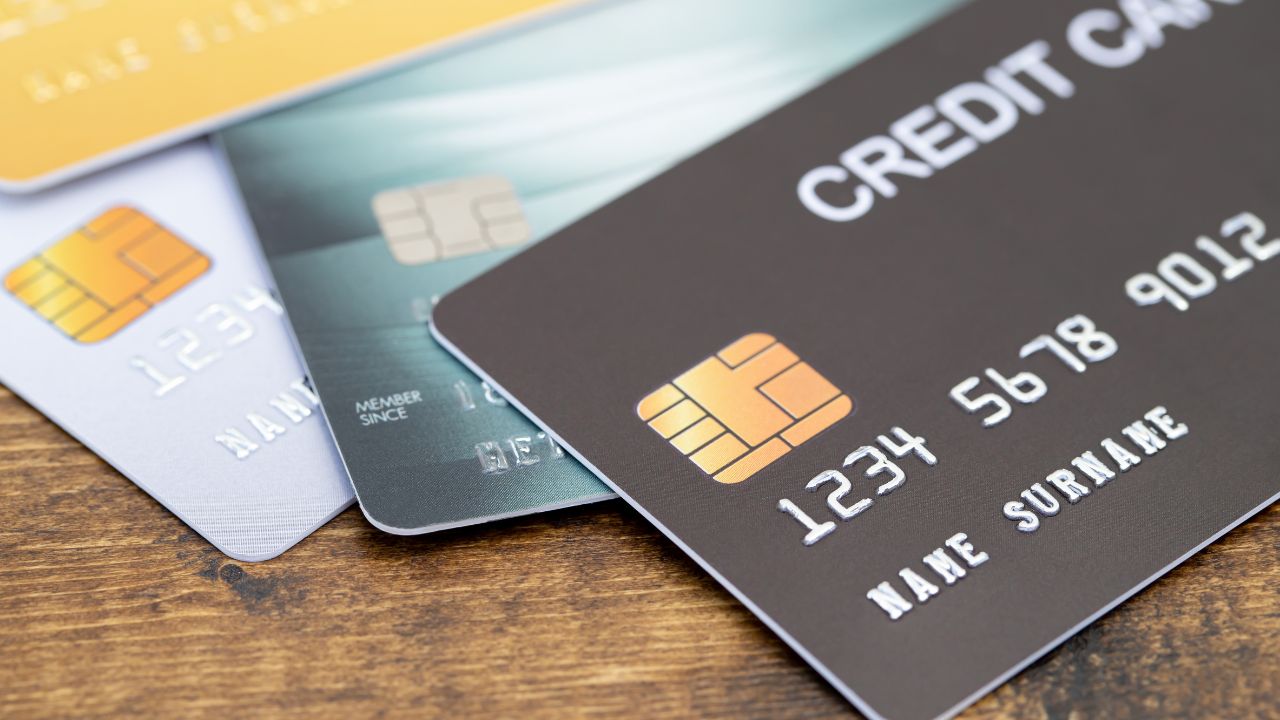
A $1.00 charge from a merchant you’ve never heard of, then a $480 one an hour later. Your physical card never left your wallet. Someone had your number, expiry date and security code, and that is all an online checkout needs.
Quick answer
1. Card-not-present (CNP) fraud uses stolen card details, not the card itself. The details leak through breaches, skimming scripts on checkout pages, phishing and malware.
2. Virtual cards don’t stop the theft. They limit the damage: one card per merchant, a capped balance, and a freeze switch.
3. They also move the risk. The dashboard that holds your card details becomes the thing you most need to protect.
How card details get stolen
CNP fraud starts with a data leak. The main routes are:
- Merchant breaches. Attackers get into a merchant’s systems and copy stored payment data or order records. PCI DSS rules forbid merchants from storing the CVV2 after authorization, but card numbers, expiry dates and billing addresses can still be exposed, especially at smaller merchants.
- E-skimming (Magecart-style attacks). Malicious JavaScript is injected into a checkout page and copies what you type, including the CVV, as you type it. The merchant’s site looks normal, and the order goes through.
- Phishing. Fake delivery notices, “payment failed” emails and lookalike login pages ask you to re-enter card details.
- Infostealer malware. Malware on your device harvests saved browser card data and session cookies.
- Card testing and enumeration. Bots try number, expiry and CVV combinations against weakly protected checkouts with tiny charges. A $1 authorization that succeeds tells them the card is live.
The last one explains the opening example. A small test charge followed by a larger purchase is the classic CNP pattern. The test confirms the card works, and the real fraud comes next.
What the card networks already do
Several layers sit between stolen details and a successful fraudulent charge:
- CVV2 proves the person paying has seen the card details. It stops some attacks, but not skimming or phishing, which capture the CVV too.
- AVS compares the billing address entered with the one the issuer holds. It helps mostly in the US, UK and Canada.
- 3D Secure 2 sends device and transaction data to the issuer, which can approve quietly or challenge the shopper with a one-time code. Where 3DS authenticates a payment, fraud liability generally shifts from the merchant to the issuer.
- Issuer fraud models score each authorization for unusual merchants, amounts, locations and velocity.
These layers catch a lot. They miss whatever looks normal: a plausible amount, at a plausible merchant, with correct details.
What a virtual card changes, and what it doesn’t
A virtual card is a card number issued without plastic, usually managed from a dashboard. Here is how it compares, attack by attack.
| Attack | What a virtual card changes | What it doesn’t change |
|---|---|---|
| Merchant breach | If the card is used only at that merchant, the leak exposes one card. Freeze it and issue another. | The leaked card is still valid until you act. |
| E-skimming on checkout | Damage is capped by the balance on that one card. | The skimmer still captures the details. |
| Phishing for card details | A low-balance card limits what the attacker can spend. | You can still be tricked into typing details or a 3DS code. |
| Card testing | Small unknown charges stand out on a single-purpose card. | Bots can still test numbers on the card’s BIN range. |
| Merchant account takeover | One card per merchant contains the loss to that card. | The attacker can still spend up to the balance through your stored card. |
| Dashboard account takeover | Nothing. This is the new risk. | Whoever controls the dashboard sees every card number and CVV. |
The pattern is clear. A virtual card shrinks the blast radius of a leak and makes the leak easier to spot. It doesn’t prevent a leak, and it adds one high-value target: the account that issues the cards.
Three design choices that change the odds
One card per merchant. If each subscription and store gets its own card, a breach at one merchant exposes one card. An unfamiliar charge on the card you use only for a streaming service is obviously fraud, and you don’t need to reissue every card you own.
A capped balance. On a prepaid card, the balance is the maximum loss. A card holding $40 for a monthly subscription can’t fund a $480 fraudulent purchase. That is a stronger control than a credit limit, which is often far larger than what you need.
A freeze switch. Cards for occasional purchases can stay frozen between uses. Fraudulent authorizations on a frozen card are declined before they settle.
What about disputes? Dispute and chargeback rights depend on the issuer, the network rules and the card type. Prepaid card protections vary by program, so ask your provider how it handles unauthorized transactions before you rely on them.
One worked example
As an example of how these controls look in practice, VCCBuy issues prepaid virtual Visa and Mastercard cards funded with stablecoins and other crypto. Each card can be frozen and unfrozen, renamed, given its own saved billing name and address, and checked through its own transaction list. Unspent balance can be withdrawn to a crypto wallet. 3D Secure codes are requested on the card in the dashboard and shown for 10 minutes. No phone number is involved, so a SIM-swap attack can’t intercept them. It also means the dashboard login carries the security weight that a phone would normally share.
The limits are worth stating. Some merchants decline prepaid cards. VCCBuy is not a bank, and its cards are for online use only. Bank-issued virtual cards, browser-based card tokens and merchant-specific numbers from your existing bank offer similar compartmentalization, and many readers already have access to one of them.
Securing the account that holds your cards
Because the dashboard is now the master key, harden it first.
1. Use a unique, long password stored in a password manager. Never reuse the password from your email or exchange account.
2. Turn on any extra sign-in protection the provider offers, and secure the email account linked to it, since email resets are the usual route into accounts.
3. Bookmark the real login page and use only that bookmark. Never sign in from a link in an email or chat message.
4. Never read a 3DS code to anyone. No genuine support agent, bank or merchant will ask for one. A caller asking for “the code we just sent” is trying to approve a payment you didn’t make.
5. Keep the device clean. Update the browser and operating system, and don’t save card details in browser autofill on shared or work machines.
6. Review transactions weekly. Look specifically for small authorizations from unfamiliar merchants, which are often card tests.
Shopper’s CNP checklist
☐ One virtual card per merchant or subscription
☐ Balance on each card sized to its expected charges
☐ Occasional-use cards frozen between purchases
☐ Card names that show which merchant each one belongs to
☐ Unique password and the strongest available sign-in protection on the card dashboard
☐ Linked email account secured
☐ 3DS codes never shared, under any story
☐ Weekly scan for small, unfamiliar charges
☐ A plan for a leak: freeze, reissue, update the merchant, report
FAQ
Are virtual cards immune to card-not-present fraud? No. A virtual card number can be skimmed, phished or leaked in a breach like any other. The difference is containment. A single-merchant, low-balance card limits how much a thief can spend and makes the fraud easy to spot and shut down.
What does a $1 charge from an unknown merchant mean? Often a card test: someone checking that stolen details work before making a larger purchase. Freeze the card, report the charge to your provider and replace the card. Don’t wait to see if a bigger charge follows.
Is a prepaid virtual card safer than a credit card online? It depends on the threat. A prepaid card caps losses at the balance, which helps against breaches and skimming. A credit card may offer stronger dispute rights, depending on the issuer and your country. Many people use both: credit for large purchases, prepaid virtual cards for subscriptions and unfamiliar merchants.
Conclusion
Card-not-present fraud is a data problem. Your details will leak somewhere eventually, so the useful question is how much a leak can cost and how fast you’ll notice it. One card per merchant, a lean balance and a well-protected dashboard change those odds a great deal. VCCBuy is one way to build that setup with crypto funding, and your own bank’s virtual cards may be another.
About the author: [Author name] is a payments and fintech writer at VCCBuy (https://vccbuy.net/), where they cover virtual cards, card networks and spending stablecoins online. They write about card fraud mechanics and practical ways shoppers can limit their exposure.
Disclosure: the author writes for VCCBuy, which is mentioned in this article.
Leave a Reply